
Quick answer
No. Lugano is not on Lake Como; it sits on Lake Lugano, known locally as Ceresio, a separate alpine lake within Ticino and Lombardy. Public access to the shoreline is free, open around the clock, with an 08:00–18:00 arrival window suggested for boat cruises and lakeside walks in the summer daylight.
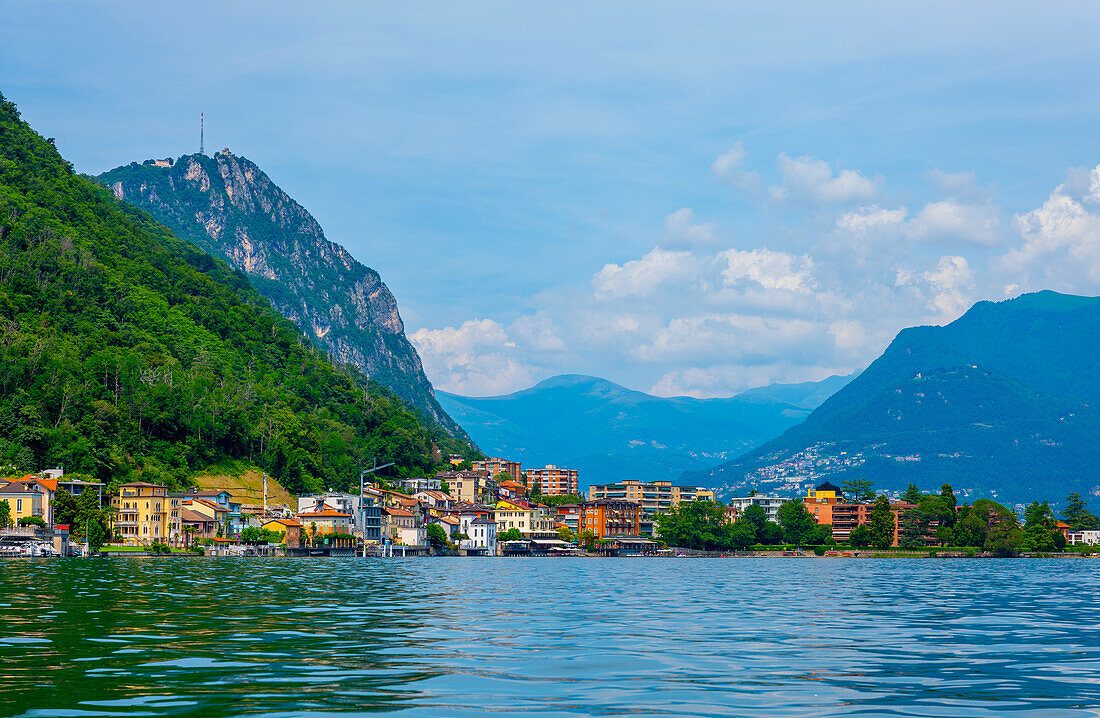
Water leaving Lake Lugano runs west through the Tresa river toward Lake Maggiore, never reaching Lake Como. That single drainage fact settles most of the confusion behind the query is lugano on lake como: the two lakes sit in the same pre-alpine corridor, share a climate, and photograph almost identically, yet they are distinct bodies of water. Lake Lugano, called Lago di Lugano or simply Ceresio in the region, straddles the frontier between Ticino in Switzerland and Lombardy in Italy. The overlap is understandable. Both lakes fold between steep, wooded ridges; both draw the same summer crowds; and a Lake Como and Lake Lugano tour often bundles them into one loop because they lie barely thirty kilometres apart. Lugano itself rises on the northern shore of its own lake, framed by Monte San Salvatore and Monte Brè, two peaks reached by funicular. The shoreline promenade, the ferry landings, and the free public access to the water all belong to Lake Lugano, not to Como. Names deepen the tangle. In Italian the lake is Lago di Lugano; in the local dialect and on older maps it appears as Ceresio, while the city of Lugano lends its name to the Swiss shore. Lake Como, by contrast, sits entirely within Lombardy and answers to Lago di Como or Lario. Because guidebooks and search results file both under a single Italian-lakes heading, the phrase is lugano on lake como keeps circulating even among people who have visited. The geography rewards a moment of care: one lake is largely Swiss, the other wholly Italian, and only a short mountain drive links their nearest points. For a visitor, the distinction matters mostly for planning. Knowing which lake you are standing beside changes which ferry timetable, which currency, and which shore road applies. Access to the Lugano lakefront costs nothing and stays open at all hours, though the 08:00–18:00 window carries the daylight that makes cruises and lakeside landmarks worth the trip. Anyone still asking is lugano on lake como can treat the answer as settled and move on to the logistics: the ridge lines, the boat schedules, and the handful of viewpoints that reward an early arrival. The lakes remain neighbours, not the same address.
“Water leaving Lake Lugano flows toward Lake Maggiore, never Lake Como—the surest proof they are two lakes, not one.”
Common Misconceptions: Is Lugano on Lake Como?
Due to their geographic proximity and shared alpine scenery, travelers often conflate the locations of Lake Como and Lake Lugano. Clarifying these separate water basins is essential for planning regional travel between Italy and Switzerland.
MythLugano is a municipal district or bay situated directly on Lake Como.
FactLugano is a Swiss city situated on Lake Lugano, a completely separate body of water located west of Lake Como.
MythLake Lugano is located entirely within the borders of Switzerland.
FactThe lake is divided between Ticino, Switzerland, and Lombardy, Italy, with the Swiss portion making up about 63% of the water.
MythVisitors must pay an entry fee to access the shores of Lake Lugano.
FactThere is a 0 CHF entrance fee for public access to the lake, allowing visitors to enjoy the public promenades for free.
MythLake Como and Lake Lugano are physically connected by water.
FactNo water passage connects the two lakes. They are separate basins divided by mountains.
Lake Como vs Lake Lugano — Which Destination Should You Choose?
While both bodies of water lie within the same alpine region, choosing between Lake Como and Lake Lugano determines whether your trip focuses on historic Italian villa culture or Swiss mountain efficiency.
|
Top pick Lake Como Italian Villa Culture & Grand Resorts |
Lake Lugano Swiss Precision & Peak Viewpoints | |
|---|---|---|
| Geographical Location | Located in Lombardy, northern Italy, approximately 50 kilometers north of Milan. | Located mostly in Ticino, southern Switzerland, with small branches extending into Lombardy, Italy. |
| Border Country | Located entirely within Italy, meaning domestic travel rules apply when arriving from Milan. | Spans both Switzerland and Italy, meaning you cross an international border when traveling between its shores. |
| Key Landscape Vibe | Terraced botanical gardens, historic lakeside villas, cobblestone alleyways, and gentle hills. | Steep, dramatic peaks like Monte San Salvatore, clean paved promenades, and quiet hillside villages. |
| Average Costs & Currency | Lower average costs using the Euro (EUR), with a standard sit-down meal costing around 15 EUR to 30 EUR per person. | — |
| Primary Transport Options | Public passenger ferries starting from 4.60 EUR, regional buses, and trains to Como San Giovanni. | Funicular railways starting from 10.00 CHF, SBB Swiss Federal trains, and local public boats. |
Verdict: Choose Lake Como if you prefer traditional Italian dining, sprawling historic gardens, and classic ferry rides, or choose Lake Lugano if you want to climb dramatic mountains via funicular and enjoy Swiss-style organization.
How to Travel Between the Lakes: Is Lugano on Lake Como Routes?
Lake Lugano is located directly west of Lake Como, separated by a mountainous border. While no single body of water connects them, travelers can easily transit between the lakes using direct rail links from the south or scenic roads through the central valleys.
TILO RE80 or S10 regional express train from Como S. Giovanni to Lugano FFS
ASF Autolinee C112 or C12 bus from Menaggio Piazza Roma to Lugano Centro
State highway SS340dir and Swiss Route 2 from Menaggio via Porlezza to Lugano
Top Sights to See When Exploring Lake Lugano
Exploring Lake Lugano reveals a blend of Swiss efficiency and Mediterranean charm, characterized by subtropical parks, historic pedestrian streets, and steep funicular railways. Visitors can easily navigate the compact lakefront to experience panoramic viewpoints and cultural landmarks.
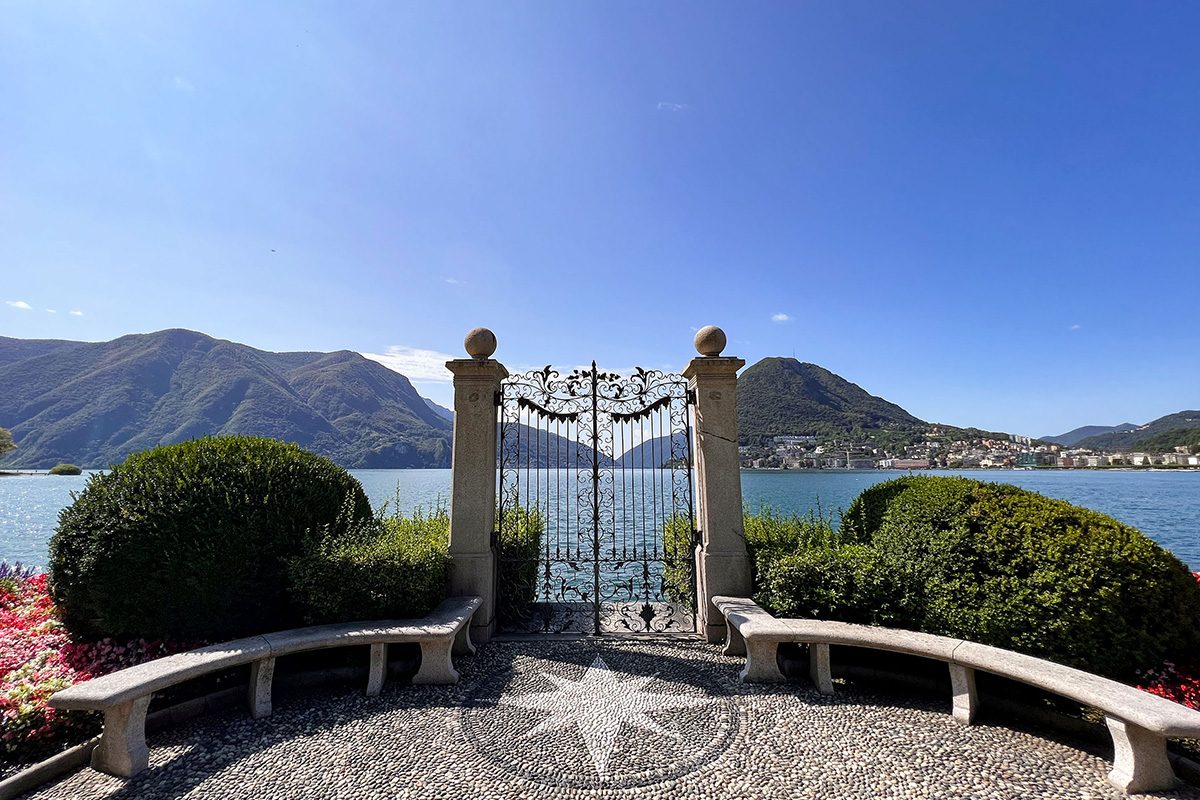
Parco Ciani
This green space sits directly on the shores of Lake Lugano and features English-style gardens, century-old trees, and the elegant 19th-century Villa Ciani. It is the city's primary lakeside park, offering peaceful walking paths and flowerbeds.
Walk to the iron gate at the lake's edge for photos.
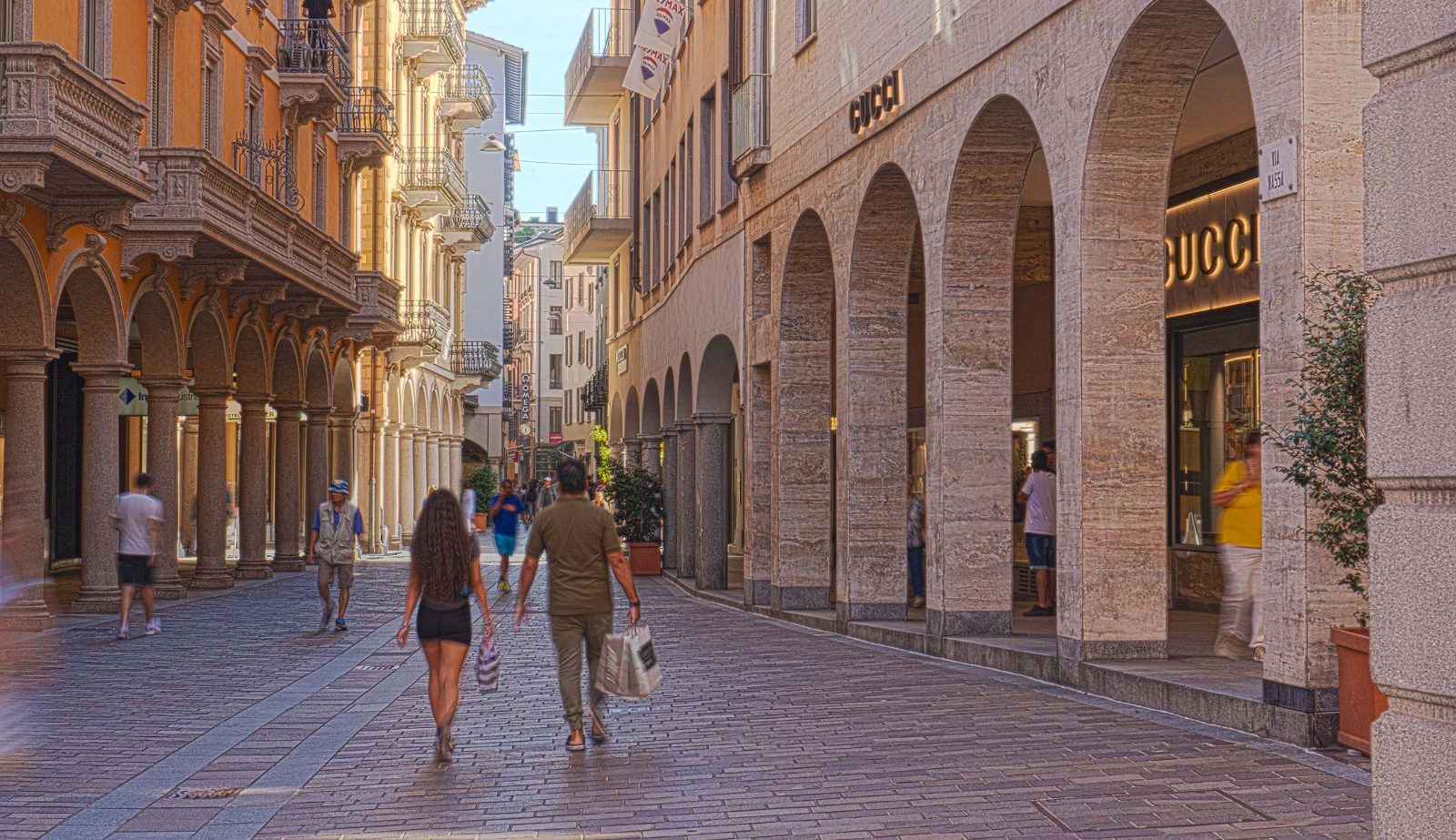
Via Nassa
The historic heart of Lugano's shopping district is defined by 270 meters of elegant 17th-century porticos. The street is lined with luxury fashion houses, Swiss watch boutiques, and traditional cafes.
Visit in the morning to beat the crowds under the porticos.
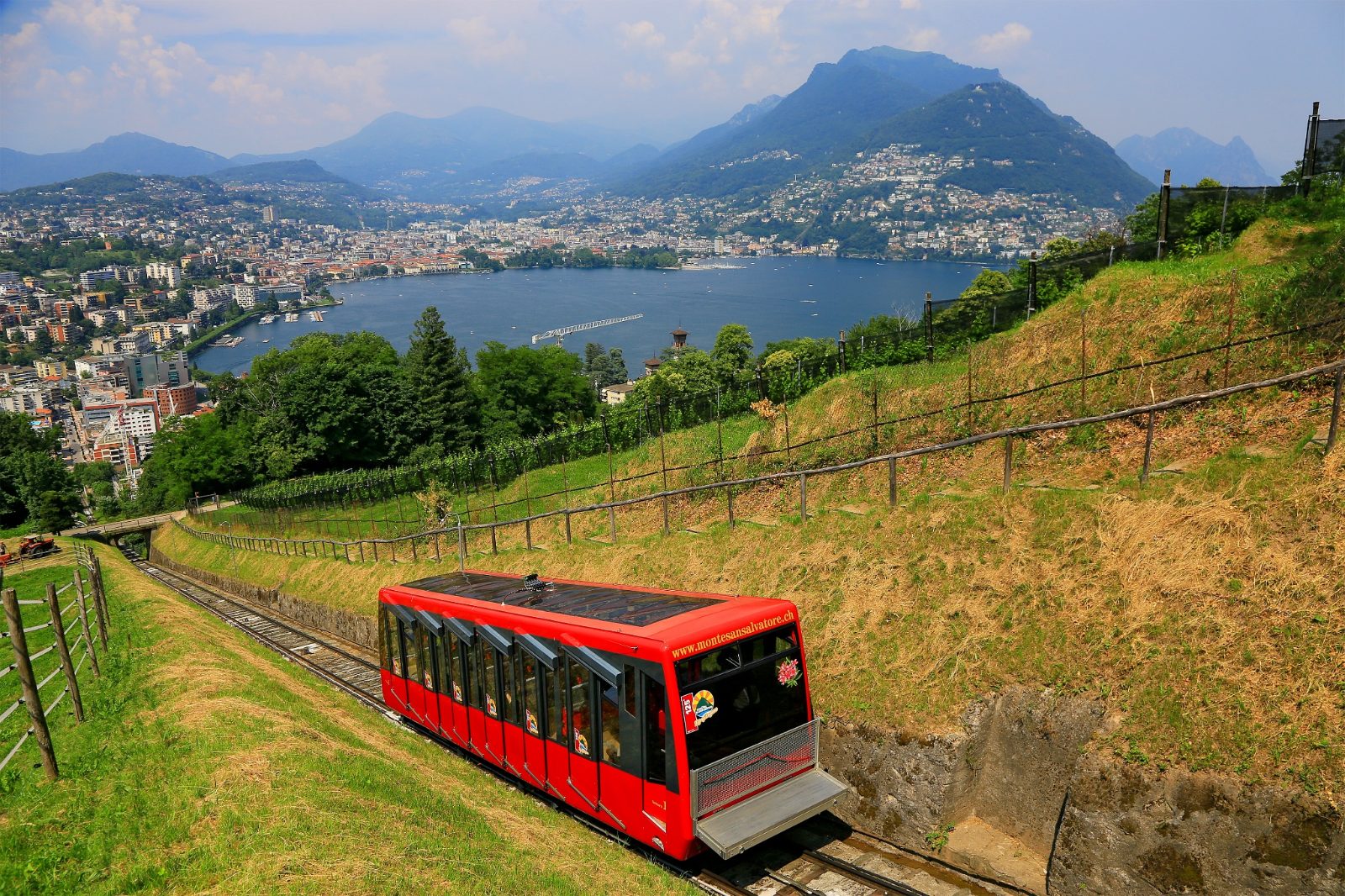
Monte San Salvatore Funicular
This historic railway has ascended to the 912-meter summit of Monte San Salvatore since 1890. The top yields a 360-degree panorama of the lake, the city of Lugano, and the nearby Valais Alps.
Stand at the rear window of the carriage during the climb.
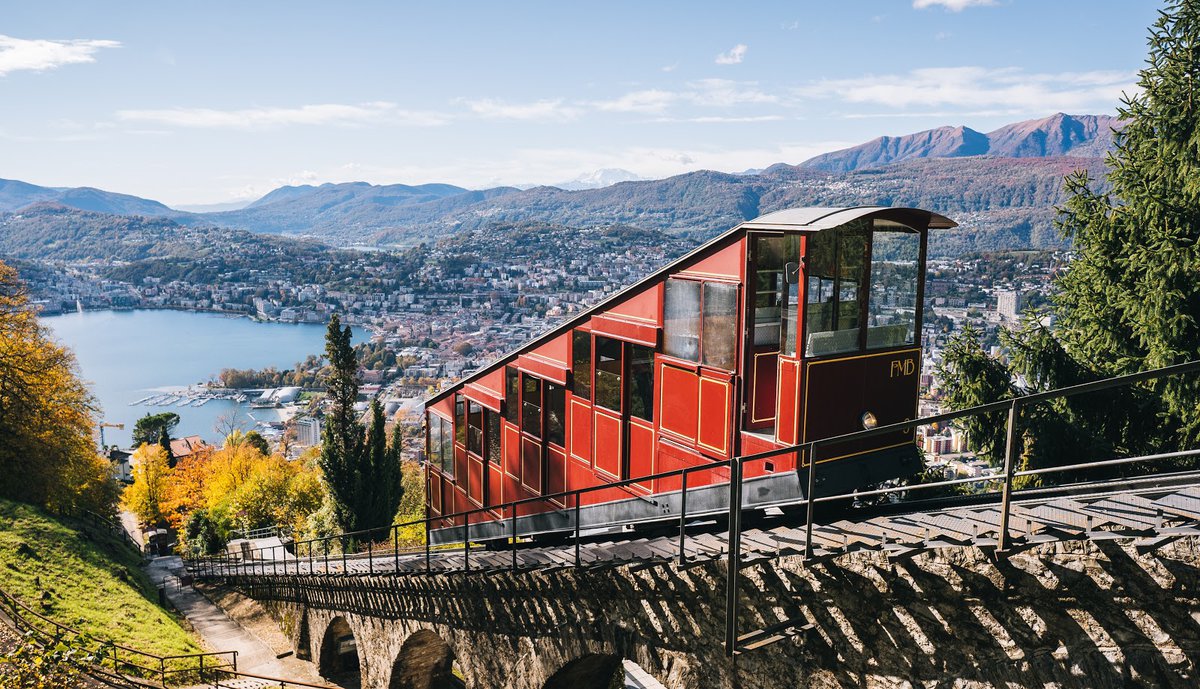
Monte Brè Funicular
Operating since 1908, this funicular climbs from the Cassarate district to the sunniest summit in Switzerland at 933 meters. A short walk from the top leads to the artistic village of Brè, home to open-air sculptures.
Ride the panoramic roof cars for unobstructed lake vistas.
Border Mistakes to Avoid: Is Lugano on Lake Como Day Trips?
Lugano sits on Lake Lugano, not Lake Como, and it straddles the Swiss-Italian frontier. Most day-trip problems come from border and currency oversights, not the lake itself.
Leaving your passport behind on a border day trip
Carry a physical passport or national ID card. The Swiss-Italian border is a real crossing, and spot checks happen even in the Schengen area.
Driving into Switzerland without a highway vignette
Buy the Swiss motorway vignette before using the autostrada into Ticino. Driving without one risks a fine at random checks.
Assuming Euros work everywhere in Lugano
Lugano uses Swiss Francs (CHF). Some venues accept Euros at poor rates, so carry CHF or a card to avoid overpaying.
Expecting to reach Lake Como itself from Lugano quickly
Treat them as two separate lakes with a border between. Plan the crossing time rather than assuming they adjoin.
Arriving too late for lake activities
Aim for the 08:00–18:00 window. That gives optimal daylight for boat cruises, lakeside walks, and panoramic views.
Not pre-booking cross-border cruises or tours
Public lake access is free (0 CHF), but organised tours fill up. Reserve through the site's booking pages ahead of your visit.
Charming Places Near Both Lake Como and Lake Lugano
Exploring the landscape between Lake Como and Lake Lugano reveals peaceful intermediate towns that blend Swiss order with Italian charm. These lakeside destinations serve as ideal stopovers to break up the journey and experience the quieter, local side of the border region.
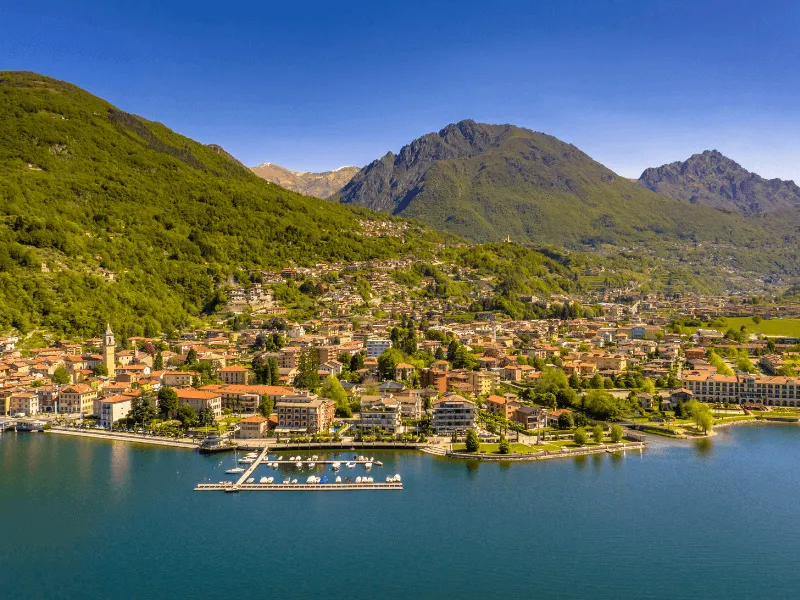
Porlezza
Situated on the eastern Italian tip of Lake Lugano, this town features a relaxed harbor and serves as a major transition point toward Menaggio. Visitors can stroll along the flat lakefront paths and enjoy local cafes without the heavy tourist congestion of larger resorts.
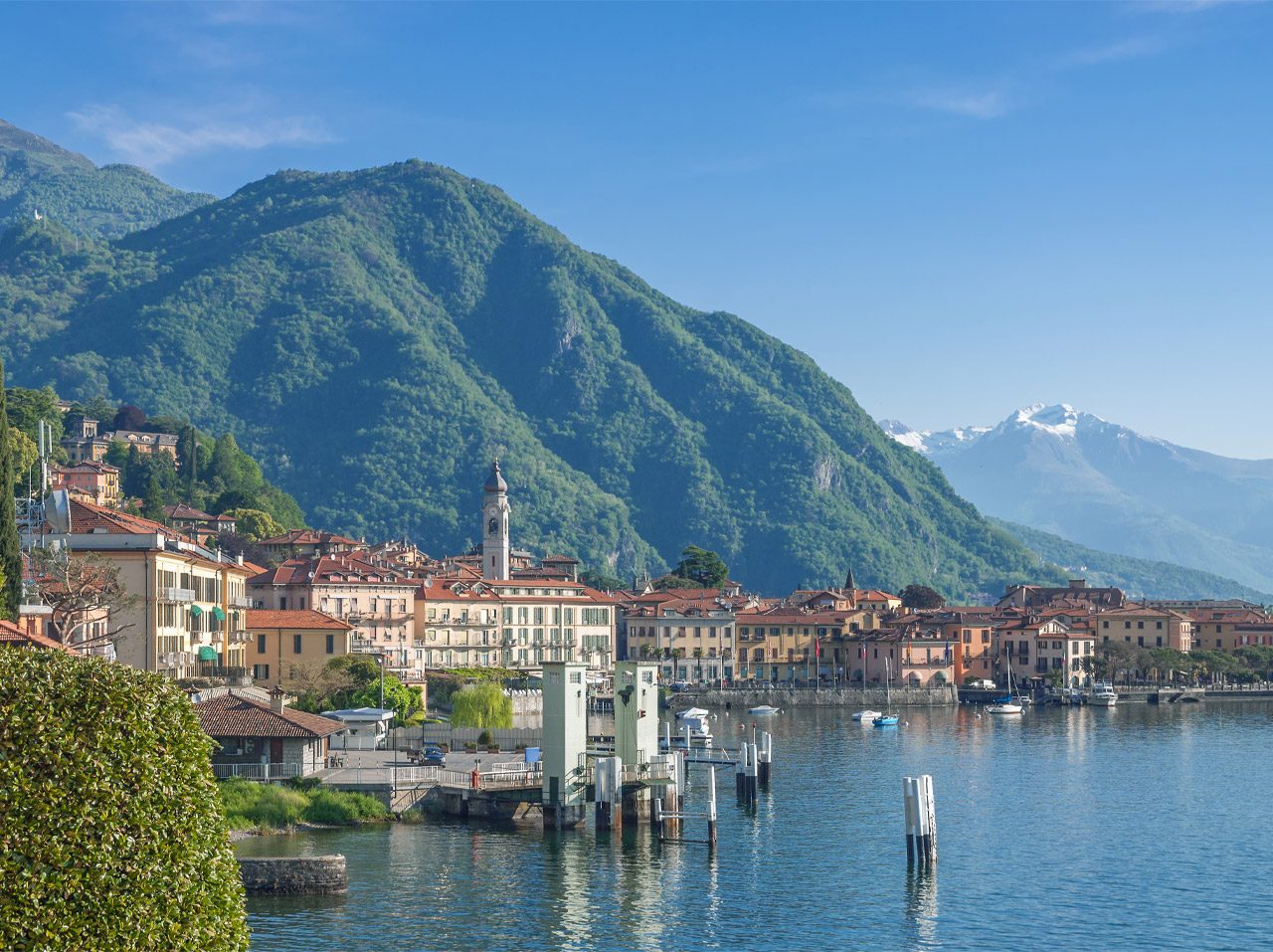
Menaggio
Positioned on the central western shore of Lake Como, this town offers an active harbor with frequent passenger ferries to Bellagio and Varenna. It serves as the primary gateway for travelers heading west towards the Swiss border and Lake Lugano.
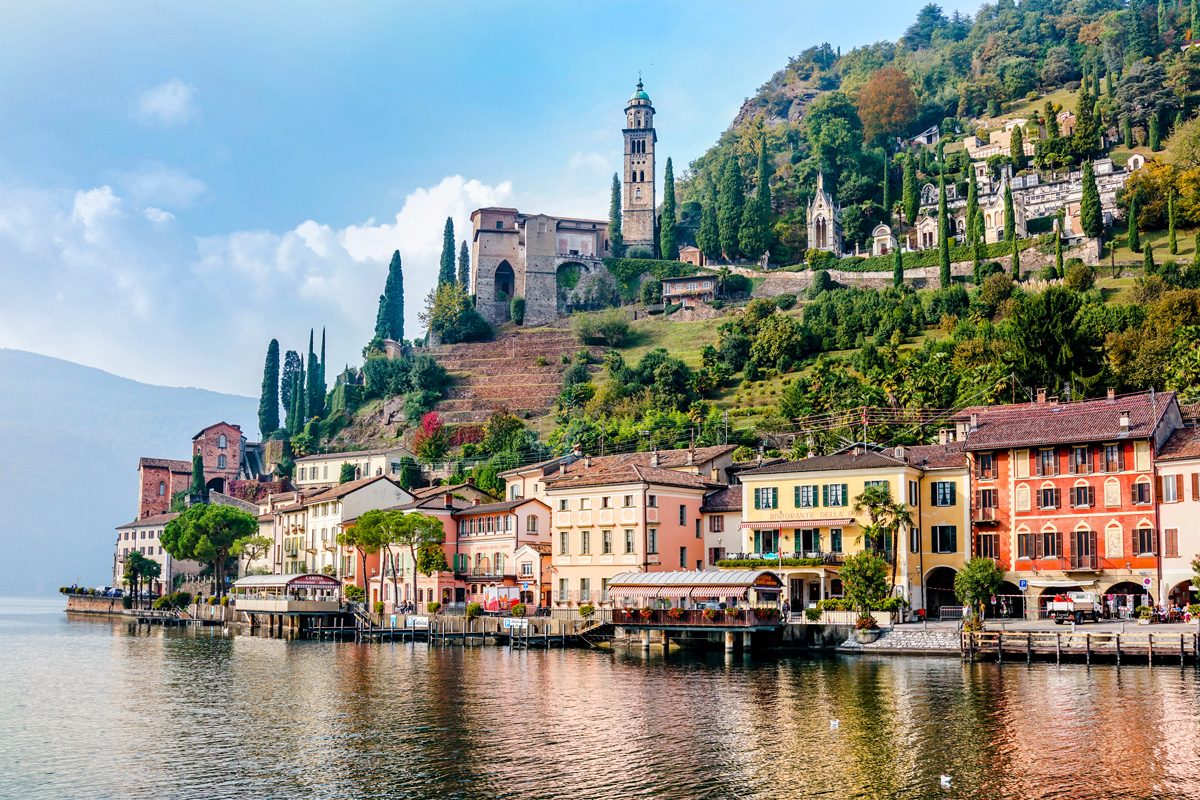
Morcote
This Swiss village sits on the southern shore of Lake Lugano, featuring arcaded houses, medieval alleys, and the historic Church of Santa Maria del Sasso. Its architectural style highlights the close cultural connection between the Ticino region and northern Italy.
Check availability
Frequently asked questions about is lugano on lake como
Everything you need to know about is lugano on lake como